

Non-Muscle Invasive Bladder Cancer in Transition: Coordinating Care as Systemic Therapy Enters Earlier-Stage Disease
Part 3: Managing Immunotherapy in Clinical Practice
In the last video of the series, Meredith Donahue, DNP, APRN-BC, Jennifer Gomez, MMS, PA-C, and Zuzana Lacca, MSN, APRN, FNP-C, AOCNP, discuss managing immunotherapy toxicities with BCG plus durvalumab. They review adverse events like thyroid dysfunction and adrenal insufficiency, highlighting lab monitoring, steroid protocols, and team coordination.
Chair
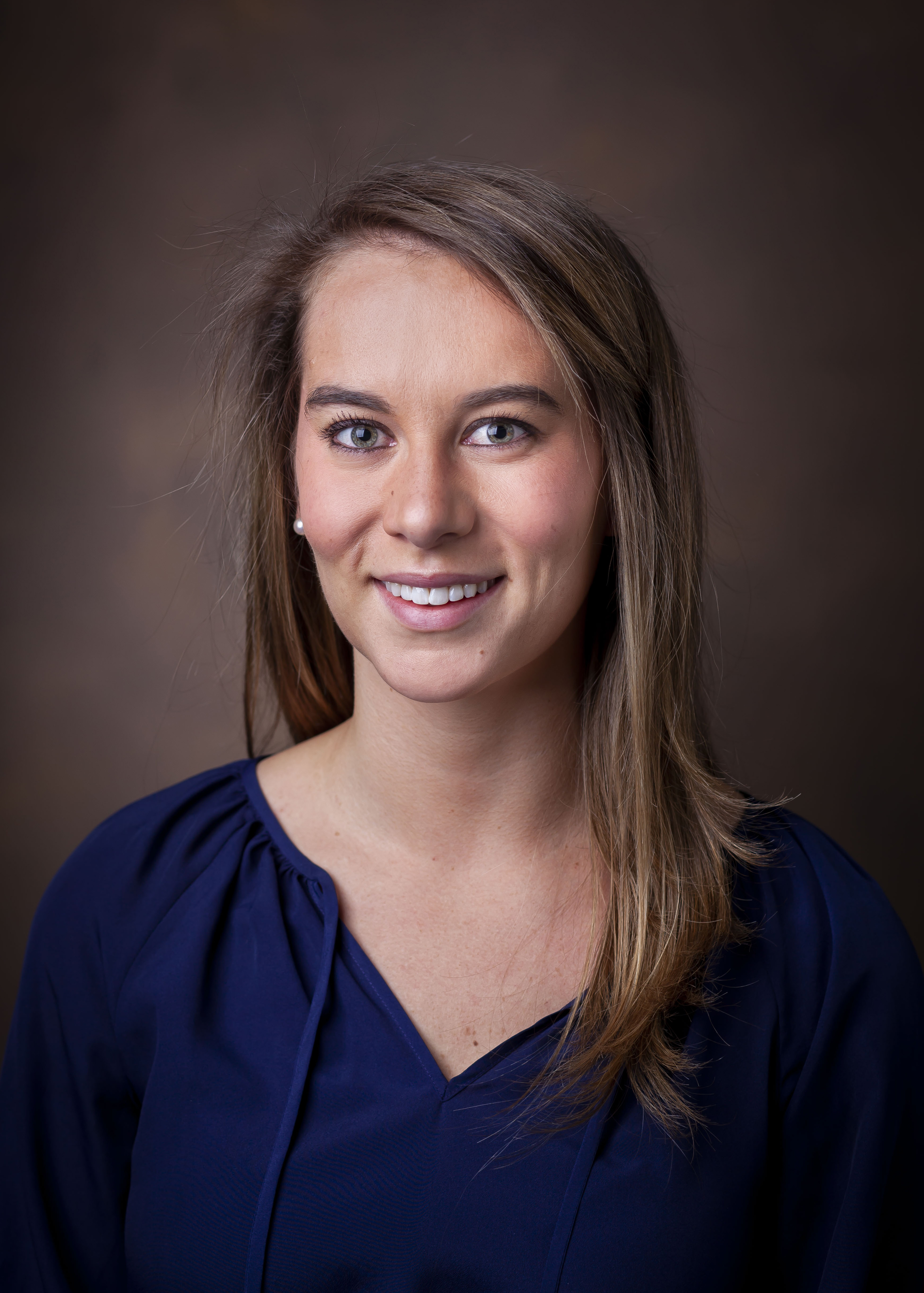
Meredith Donahue, DNP, APRN-BC
Vanderbilt Health
Faculty

Jennifer Gomez, MMS, PA-C
University of California San Diego
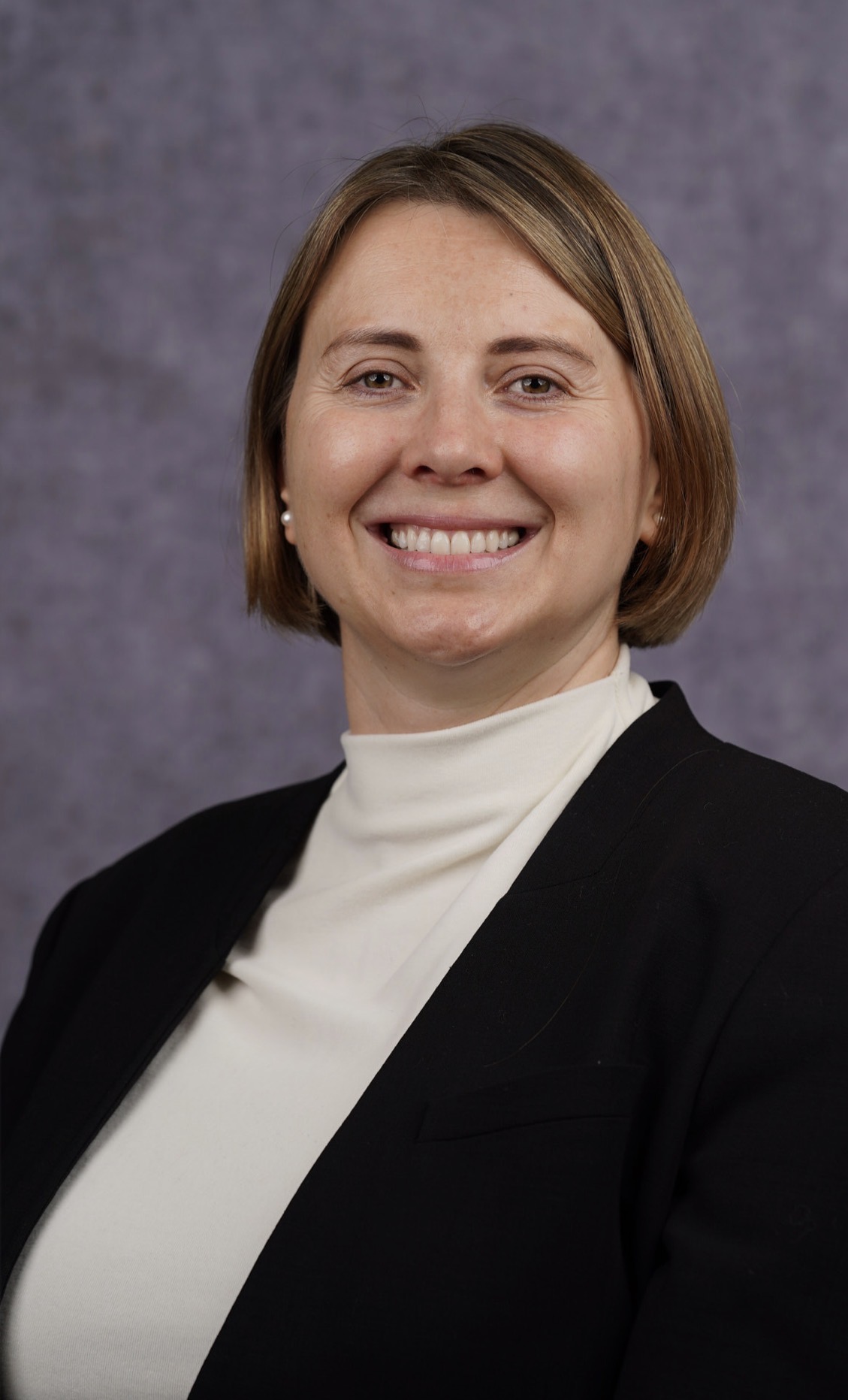
Zuzana Lacca, MSN, APRN, FNP-C, AOCNP
Walter Reed National Military Medical Center
Transcript
Meredith Donahue:
Hello, and welcome to this Virtual Roundtable on what advanced practitioners need to know about non-muscle invasive bladder cancer. My name is Meredith Donahue, and I'm a nurse practitioner at Vanderbilt Urology, specializing in urologic oncology. Joining me today for this discussion are Jennifer Gomez and Zuzana Lacca. Would you all like to introduce yourselves?
Jennifer Gomez:
Hi, I'm Jenny Gomez. I'm a physician assistant at UC San Diego Health, and I am the lead of our bladder cancer survivorship clinic.
Zuzana Lacca:
And hi, my name is Zuzana Lacca. I work at Walter Reed, and I specialize in GIGU cancers and medical oncology.
Meredith Donahue:
Great. Well, Zuzana, do you want to get us started and can you just let us know what we're talking about today?
Zuzana Lacca:
Yes. Today, we'll be focusing on managing immunotherapy toxicities in the clinical practice. So, what we will look at a little bit closer is what does it look like when we do the BCG-durvalumab in your clinic. And also, we will talk about some of the adverse events and how to manage them and looking at patient education and also your team education. So, let me start out, as you are probably already familiar, with the BCG durvalumab. How we give it is that we give the durvalumab every four weeks, IV 1,500 milligrams for 13 cycles with the BCG induction and maintenance. The BCG induction, as you are familiar, is weekly for six weeks. And then the maintenance, three weekly doses at months three, six, 12, 18, and 24. So, there's a lot of care coordination needed. I find it similar in a way to when we coordinate any kind of chemo rads.
When I was looking at the POTOMAC trial, a lot of the common toxicities that were immune related were mostly hypothyroidism, about 10% of the cases, hyperthyroidism, 9% of the cases, rash and pruritus, about seven, 8% of the cases. A lot of the times it was just grade one, grade two, and often not many of them did need treatment. The ones that needed treatment, like hepatitis, there was about only 2% of the cases. Although, they did mention diarrhea in 5% of the cases. Often enough it did not need treatment.
So, what should we be concerned about? I did find whenever I'm managing toxicities, of course, experience is helpful. So, that's why I feel like calling on your colleague in the oncology clinic can be really important, but I really do find that the NCCN guidelines will walk you through those toxicities.
Jennifer Gomez:
Zuzana?
Zuzana Lacca:
Yes.
Jennifer Gomez:
What's the most common side effect that you actually see in your clinical practice?
Zuzana Lacca:
The most common one that I do see is the thyroid changes. It is interesting that only 2% of the cases can have hyperthyroidism. But from my clinical practice, if you really monitor the thyroid hormone, you might notice that there is a slight decrease in the TSH in about just two to three months. And then hypothyroidism follows about month to two months later. And patients are usually asymptomatic, though.
Meredith Donahue:
And how often are you usually checking those labs? Every three months?
Zuzana Lacca:
Some of my colleagues prefer to check it every three months, but since I have seen these changes and we can actually start a treatment pretty soon, I prefer every four weeks.
Meredith Donahue:
Yes. At least to start maybe and then could stretch it out.
Zuzana Lacca:
Yes, exactly. Or especially, if you start to see the changes, right? So, if I do see that somebody's entering that hyperthyroidism stage, I prefer to stay on top of it and monitor closely.
Meredith Donahue:
Yes, absolutely. And I like your point about the NCCN guidelines. We really think about the guidelines as just guiding us through the treatment options, but there really is a lot there on side effect management as well.
Zuzana Lacca:
I feel like with this latest updated version, I really did find it very, very handholding, very helpful.
Meredith Donahue:
Yes, nice.
Zuzana Lacca:
With that being said, I still think that it's really helpful to have friends in the other department. If it is GI, if it is endocrinology, nephro, it's still always good to have friends that you can reach out to.
Jennifer Gomez:
This is always a team sport.
Zuzana Lacca:
Absolutely. Which brings me to a case study. Meredith, do you feel like reading it or do you want me to go ahead and read it?
Meredith Donahue:
Yes, sure, I can read it. So, we have a 67-year-old male with high-risk non-muscle-invasive bladder cancer. He started BCG plus durvalumab three months ago. He presents today for follow-up and mentions he's been having difficulty sleeping well since last week, but also notes he was on a business trip staying at a hotel. But as well, he has been experiencing a lot of bladder irritation, so frequency, urgency, dysuria.
Zuzana Lacca:
And so, he's at the three-month mark. And he will be getting, I think, I mean, in this scenario, it would be before he would be getting the BCG installation because we give the durvalumab first. Jenny, what would you think or Meredith, what would you think? What would you tell this patient? Do you think this could be the BCG or is it the immunotherapy?
Jennifer Gomez:
Well, I would definitely bring him in for a urine culture and to make sure there's no infection going on. That would be my first step from the urology standpoint. Also, making sure he's emptying his bladder is always important when managing the urinary side effects.
Meredith Donahue:
Yes. I was going to say start with UA PVR and then probably at the same time go ahead and check CBC, CMP and TSH. And probably, one of those is going to present themselves. Either he's not emptying or he has an infection or something's going on with the thyroid.
Zuzana Lacca:
Agree, agree. And in this case, the TSH of the patient was low, 0.01. His T4 was just mildly elevated, 1.9. And apart from the trouble sleeping when he was on his business trip, he didn't have any symptoms, so we could actually continue the durvalumab, and just continue to observe until this hyperthyroid stage passes and then he develops hypothyroidism. With that being said, not every patient will get it. I feel like a third of my patients in other settings would develop hypothyroidism, so it's always good to keep an eye out for it. But most of the times patients are asymptomatic, so you will notice it just on the labs. With starting the medication, something that I also found interesting, the NCCN has a great guide on what doses to start at, like the 1.2 to 1.4 µg per kilogram per day. And for the elderly patients to start with at a lower dose and especially over the age of 70 and frail to start even a lower dose, 25 to 50 µg.
One thing that I did notice with some of my patients that if their DSH is really high, like over 100, and perhaps they're not even symptomatic, sometimes really starting them on the therapeutic dose when they did not meet the frail criteria might be too much for them. It might be too quick of a correction. So, sometimes I still go a little slower.
Meredith Donahue:
Okay, good. Those are great tips.
Zuzana Lacca:
And that brings me to the second part of the case study. Meredith, do you want to take that from me?
Meredith Donahue:
Yes. So, our patient is now on month seven of BCG plus durvalumab. Now presents with profound fatigue, anorexia, nausea, gets lightheaded easily, and he has been taking his levothyroxine. So, what do we do next?
Zuzana Lacca:
What do you guys think? I mean, would you be concerned? Could it be BCG?
Meredith Donahue:
Well, with BCG, we can certainly see the fatigue, malaise, just a low-grade flu-like symptoms as I describe it. But typically, those resolve within 72 hours. I would go in the big window there. So, if those symptoms don't start to resolve, then I'm going to be thinking about something else.
Zuzana Lacca:
How about you, Jenny?
Jennifer Gomez:
Yes. I think if those symptoms are not resolving, I think then we lean a little bit more on our oncology colleagues to see if maybe it's the immunotherapy that's the culprit.
Zuzana Lacca:
I agree. I agree. So, something that it doesn't happen as often, but it definitely can happen is the adrenaline insufficiency because of the immunotherapy. And so, in these cases, it's always good to keep an eye out on either the symptom presentation, but sometimes you can even catch it earlier, like do we see the drops in the sodium? Do we see a little bit of more hypotension? And so, when we have any concerns or even ideally, when we're treating somebody for the hypothyroidism induced because of the immunotherapy, we should check the ACTH and morning cortisol to rule out adrenal insufficiency. Because if the patient has adrenal insufficiency, we should really replace and correct adrenal insufficiency prior to replacing with the levothyroxine. And at that point, when I have patients with hypothyroidism and adrenal insufficiency, then it's really good to have the colleague input from endocrinology. We can still start a patient on treatment for the adrenal insufficiency.
It's usually hydrocortisone 20 milligrams in the morning and then 10 or 15 milligrams in the early afternoon. The latest recommendation is 10. And then let them follow up with the endocrinology. But the biggest thing that I do notice that sometimes where, again, that communication is important is when those patients get admitted with any kind of infection, any kind of surgery, where they would need some stress dosing. So, it is really important for patients to have either some wallet card or medical bracelet that does let everybody else know that they need to, even though they're NPO, that those steroids do need to be replaced.
Meredith Donahue:
Good reminders with the stress dosing for sure. And I think we're all probably used to that from the surgical perspective, because we're operating on patients all the time who might be on steroids for different reasons and have to go through those protocol.
Zuzana Lacca:
Have you encountered with those BCG shortages, it would be interesting, how are we going to handle. Are we going to continue the durvalumab if we would have a BCG shortage? Or what have you observed if you encountered this?
Meredith Donahue:
Yes. That's a good question. And I don't think, we probably don't have an answer to it yet on what to do with BCG plus durvalumab, if in the setting of a BCG shortage.
Jennifer Gomez:
Yes. There's just so many intravesical options. There's a trial called the BRIDGE trial, looking at BCG versus gemcitabine docetaxel. Hopefully, we'll have that data back in a couple years to tell us whether BCG or gemcitabine docetaxel, they're equivalent, one's better, the other one's better. But I do know that that combination has been used with BCG shortages or some of the other newer intravesical treatments, like INLEXZO don't require BCG.
Meredith Donahue:
Yes. And I know where I am, we're really lucky. We aren't really having to battle with the shortage, knock on wood, but I know a lot of places, and this is where APPs play a huge role, is who do we need to prioritize maintenance BCG for or need to do split-dosing or half-strength, whatever that might be. And I guess no one really knows the answer on, let's say, half-strength BCG plus durvalumab.
Zuzana Lacca:
Thank you for mentioning that. Yes. I was just going to mention real quick that the endocrinopathies are the ones that would be treated with the hormones. But in general, when we have any kind of immune-related toxicity, if it is hepatitis, colitis, we treat patients with steroids. We usually, depending, of course, on the grades, usually we can continue durvalumab if it's a grade one. But anytime we start to enter the grade two zone, we want to hold durvalumab and possibly consider treating with steroids while we're undergoing more workup. And we usually would do the half a milligram to one milligram of prednisone per kilogram. And the one thing to consider there is if we're tapering slowly for some of the, especially the grade three toxicities, if you would start on a higher prednisone dose, we want to consider adding prophylactic PJP coverage of Bactrim and also considering gastritis prevention with proton pump inhibitors and famotidine. And of course, working with your colleagues in gastro or nephro or hepatic especially.
Meredith Donahue:
Yes. And can you briefly talk on some of the liver toxicity and how you manage those and work that up?
Zuzana Lacca:
Honestly, most of my patients when they present with liver toxicity, they are asymptomatic. So, that's something that maybe you may have noticed that super rare thing that could be because of BCG. Those patients are usually symptomatic and almost septic-like. Whereas with the immune-related hepatitis, we just notice it on the LFTs. And that's why it's really important for patients to have their labs before each treatment. Sometimes it can be like patients will be wondering, "Why do I need the labs? Like everything, I'm feeling fine." Or they forget to do them and they're like, "Oh, am I okay to treat and we'll do the labs after?" And I feel like it's better to know.
Meredith Donahue:
Yes, absolutely. Well, great. I think that just about brings us to the end of this discussion. Thank you all. Thank you both so much. And please see our other two videos for further discussion on NMIBC at JADPRO.com.