

Translating Emerging Evidence Into Practice: AP Perspectives on EGFR-Mutated NSCLC
Part 3: Supporting Adherence and Treatment Experience
In the last video of the series, Sarah Tangerini, FNP-BC, Lindsay Dougherty, DNP, and Emily Skotte, ACNP, discuss holistic strategies for managing EGFR-mutated non-small cell lung cancer. They review grading common toxicities, like rash, paronychia, and fatigue, to inform dose adjustments, while highlighting how subcutaneous amivantamab streamlines clinic workflows and reduces infusion reaction rates.
Chair
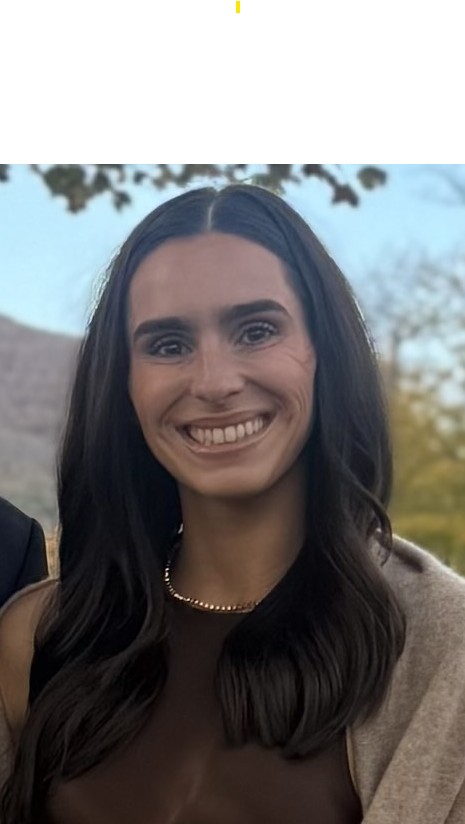
Sarah Tangerini, FNP-BC
Dana-Farber Cancer Institute
Chair
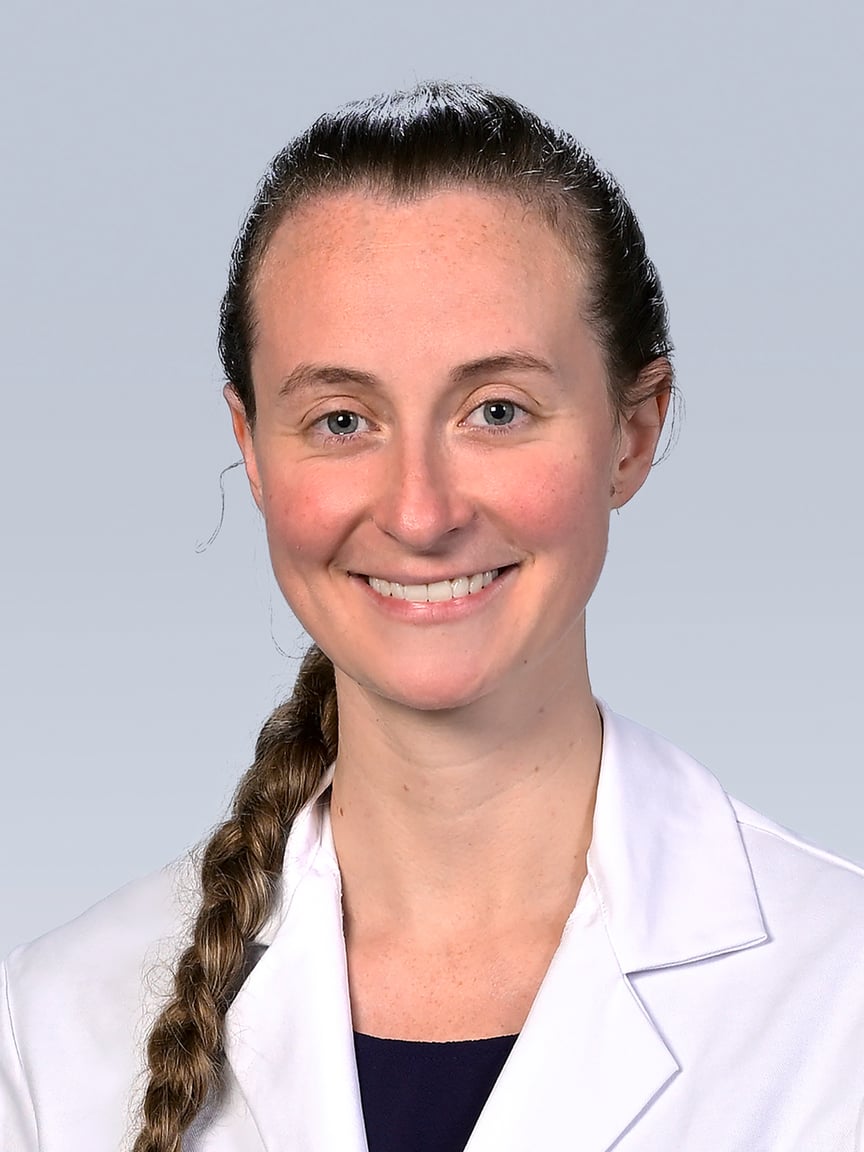
Lindsay Dougherty, DNP
Penn Medicine
Chair
Emily Skotte, ACNP
Vanderbilt University Medical Center
Faculty
Transcript
Sarah Tangerini:
Welcome to this Virtual Roundtable on what advanced practitioners need to know about EGFR-mutated non-small cell lung cancer. My name is Sarah Tangerini and I'm a nurse practitioner at Dana-Farber specializing in thoracic oncology with a clinical focus in EGFR- and ALK-mutated lung cancer patients. Joining me today for this discussion are Emily Skotte and Lindsay Dougherty. Emily, would you like to introduce yourself?
Emily Skotte:
Yes. Hi, and thanks for having me. I'm Emily Skotte. I'm a nurse practitioner at Vanderbilt and I specialize in thoracic and neuroendocrine cancers.
Sarah Tangerini:
Great. Thanks for being here today. And Lindsay?
Lindsay Dougherty:
Hi, thanks for having me. I am Lindsay. I work at Penn Medicine and I specialize in thoracic, head and neck, thyroid, and neuro-oncology. And I'm a nurse practitioner.
Sarah Tangerini:
Great. Thank you so much for joining me today. In video 3, we'll be focusing on adherence and dose modification with amivantamab plus lazertinib, including how evolving administration approaches can impact the patient experience over time. Our goal is to discuss practical strategies to manage treatment burden, individualized dose modifications, and help patients remain on therapy while maintaining quality of life.
So, I want to circle back to our patient that we discussed in videos 1 and 2, our patient with EGFR-mutated non-small cell lung cancer who ultimately chose a first line amivantamab and lazertinib as her treatment. At week 5, the patient reports an itchy facial rash, painful nail folds, and new fatigue. So, she says that she's considering stopping treatment.
So, I'd first like to open up the discussion and ask what additional history and exam you would perform on this patient. And how you would grade the skin and nail toxicities. And then decide on supportive care vs a treatment hold or dose modifications. Emily, do you want to take this one?
Emily Skotte:
Yes. So, this is always tough. I think, again, this is why we like to see the patients frequently. And as far as grading how bad the rash is, so to speak, I think some of it depends on how much surface area is it covering, where is it covering? I tend to treat the face a little differently than I do if it's just on your arms or your legs. And so, assessing that on the patient, how extensive it is, how bothersome it is. I mean, a lot of patients I've seen it looks bad, but it doesn't really feel all that bad, which is kind of interesting. So, I think when it gets pretty bad and it's a little more uncomfortable is the scalp rashes that I've seen. And so, again, you want to do a good scalp assessment and get into the hair and see what's there.
Definitely if these things are, or the nails can be very painful, the fatigue can be very disruptive. And I think that's the key, is how disruptive is it to your patient's day-to-day? I think there are definitely your firm grading scales that we utilize all the time. But then some of it I think is a little subjective on, is this preventing you from doing certain things that you normally do? And so, that's what I talk about with patients about, are we at the point we hold to let these things improve before we resume? And then go from there. So, that's my take on it. Lindsay, what's your practice?
Lindsay Dougherty:
Yes, so I certainly agree with you that we have all the grading scales I think that we utilize universally, but that it's much more, again, about the patient. I think that's a theme in our discussions here, is that the patient, how it affects their lives. I have seen patients with rashes that I look and think, "Oh my goodness, this must be so bothersome and painful." And they're like, "It doesn't bother me." and we just keep going. So, I think patient's experience of their rash, their paronychia, all of the symptoms that they may be experiencing is very important in this.
And then it's just a discussion. I think going back to the beginning of treatment with this regimen, it's incredibly important to talk about this in the beginning and say, "This is something that you are likely going to be experiencing," so that they're prepared. If they're not prepared, then like we're talking about in this case study, the patients might come in and say, "I can't do it. I have to stop." So, I think my preference here would be to evaluate, to have that discussion again, individualized to the patient, to try increasing or tailoring supportive care, dermatology. Which we're lucky enough to have at Penn Medicine dermatologists who specialize in these kinds of things and think of things that I would not think of.
And then try that for 2 weeks and then reevaluate. If the grade is increasing to grade 3, we're certainly holding, but trying to do more in terms of supportive care is important. I think also having that discussion if the patient is just, "I am needing a break, I'm done with this entirely," saying, "Okay, take a break." Because the data supports that we can do that, we can dose reduce, we can make changes and still have that efficacy. So, I think it's just, again, that individualized decision-making, shared decision-making with the patient and the provider.
Sarah Tangerini:
I completely agree with both of you. And I think it's really important, as you mentioned, from the beginning, set realistic expectations with our patients, making sure they understand the risks of the treatment and the possible toxicity and profile that comes along with it. And then I also think it's really important to utilize the dose holds and dose reductions. I think it's really easy for a patient to come in and say, "I'm done, this is too much." And so, saying, "Well, let's just hold for a few weeks and come back."
And I think in our practice, we're really trying to have patients continue on the lazertinib and hold the amivantamab. And then after a few weeks come back and then try a dose reduction. And I think that once we started doing this in our practice, patients have been tolerating treatment a little bit better. And so, just setting these expectations and monitoring our patients closely. It's important to have early recognition of these side effects. I think sometimes once the rashes or the edema or they come out of hand, then our patients are like, it's too much for them to even consider restarting. So, recognizing these side effects early, tailoring treatment specifically to them, and then dose-reducing and holding when appropriate.
Emily Skotte:
Have either of you had any patients where you haven't had to hold and/or dose-reduce? Because I haven't. I've had to hold and dose-reduce I think every patient I've put on it.
Sarah Tangerini:
I think I have as well.
Lindsay Dougherty:
Yes, I think so too. And for us, dose reducing for sure, but I think the holds are important both in terms of many times just in terms of the mental side of it. And the mental strain patients often need a 2-week reset and then we can get back into it. I can't think of anybody that we haven't had those holds or dose reductions.
Sarah Tangerini:
Same. I mean, I do think that the prophylactic skin regimen has been helpful in reducing the severity of the toxicities. But I do think that most of our patients are still holding and to dose-reducing. So, I do also think that changing therapies from the IV formulation to subcutaneous has made treatments a little bit more tolerable for some of our patients. And so, they're more willing to stay on treatment longer.
I do think the longer our patients are staying on the treatment, eventually it does become more tolerable, as the data showed that the first few months of treatment are the most difficult. But if they're adhering to the prophylactic regimen and we're catching the side effects early and managing things appropriately, then we haven't had to stop treatment. But I think most of our patients, we are still dose reducing.
So, I am curious how you address the treatment burden and adherence while preserving quality of life. So, how are you addressing these conversations with patients in clinic? Because I think not only is the side effect panel hard, but also the mental burden of it all is difficult. So, how are you having these discussions with patients in clinic, Lindsay? Are you able to address that?
Lindsay Dougherty:
Yes. I mean, I think it's such a big part of the provider's job, especially I think the APPs. I mean all of us do, but the APPs are often the ones managing these toxicity visits and having these ongoing conversations. And so, I think the beginning is important. Every visit is important to talk about, how are you doing with this regimen? What would make it easier for you? Is it a calendar? Is it us writing down a flow sheet? Is it more education? Is it samples? Is it the cost that's a burden? What exactly is influencing whether you are able to follow these prophylactic regimens? How comfortable you feel, do you know the numbers to call?
Just I think constant education around what is going to make it easier to communicate is so important, because you're so right. We need to identify these things early. If the patients are able to follow these prophylactic strategies, they do so much better. We've seen that in practice and obviously, and the data supports that as well, but it's a lot. It's a lot of costs, it's a lot of time. And so, integrating these regimens into their daily routine I think is critical.
So, I think it's the rapport you build with your patients. It's building in the time to have this communication around, how is your quality of life? How is the mental strain? The things that I think are sometimes missed because we're talking about the physical side of things. How does this feel for you? And if you can get into that and have an open line of communication there, then I think the patients do so much better and we as providers are practicing so much better.
And this regimen has really allowed for that because you have to do it, otherwise the patients cannot be on these regimens. You have to spend the time with education. So, I think it's just a matter of support and building that into your visits and taking into account, again, the whole person.
Sarah Tangerini:
Right. Emily, do you have anything else to add?
Emily Skotte:
I totally agree with Lindsay. And the only addition I would say is I think that's when our resources, when we are able to have them for things like palliative care or whether it's psych services, any sort of mental health support, I think offering to patients, again because the mental burden of it is a lot. And we can definitely work through a lot of that, but I find some patients, they need a little more of that mental health for it just for their diagnosis alone. So, I think just reminding them that there are resources, that it is okay to feel this way about it, it is a lot, and just validating feelings and making sure that they feel heard. I think it's really important.
Sarah Tangerini:
I completely agree. And I think just utilizing our nurse navigators, having them call to check in on our patients. Doesn't need to be the 2-week visit when they're here in person, making sure they feel like they're being supported on the days that they're not in clinic as well. I think that's also important. And a question they might forget to ask while they're in clinic and then while they're at home, they can bring it up. Or a side effect that's been bothering them that they may not have mentioned at their last visit. So, I think all of that, leaning on our colleagues and the other team members and the other supportive care services like palliative, I agree with you. I think that's so important.
So, I just really wanted to also quickly mention the results of the PALOMA-3 trial, which was comparing the subcutaneous vs IV amivantamab. I think this is something that's really helped with this treatment regimen. It compared subcutaneous with IV amivantamab, both combined with lazertinib after progression on osimertinib and platinum-based chemotherapy. And the primary objective was to look at the pharmacokinetics and the efficacy of IV vs subcutaneous. And it did show that the efficacy was similar. However, what it did do was it changed practice. It dramatically reduced chair time and infusion-related reactions, and it improved patient convenience. And it also helped with patient's overall tolerability on the treatment regimen.
So, I'm curious how these results have changed your practice. Are you utilizing the subcutaneous amivantamab? And how has this affected how you work in your clinic?
Lindsay Dougherty:
I mean, it's changed everything. I think prior to this, just the infusion-related reactions alone were a huge, I mean, that took up so much of the conversation, that this could be something that you could experience that, are you willing to potentially go through it, what it is, the difference between IRRs and anaphylaxis, etc. And that has dramatically decreased with the subcutaneous version, let alone the chair time and just patient experience and willingness to do this regimen.
So, I think it's changed everything. I think it's changed perspective. Just the tolerability is so much better for patients, their quality of life is better, and our chair time is so much easier. It's easier to start these regimens and therefore give it in satellite practices and things like that. So, it's really revolutionized what we do.
Emily Skotte:
I totally agree.
Sarah Tangerini:
Right. And is it the primary way that you're giving amivantamab now?
Lindsay Dougherty:
It is, yes.
Sarah Tangerini:
Sorry, Emily. What were you going to add?
Emily Skotte:
No, no, I was agreeing with Lindsay. And we are also, it’s the primary way that we're giving it now. I think too, when we're talking about this drug, we were all doing a happy dance in clinic when it finally got approved for sub-Q Ami. Because getting patients through the IRRs was a really big deal and really hard. I had a couple of patients who almost didn't want to continue because their reactions were just so ongoing or extensive over those first couple of days for the IV version. And so, I think we haven't explored that as much in these videos as we have the other side effects. Because one, we have sub-Q Ami and honestly, once you got through the reactions, it was fine. And so, I think that was just a lot of education for patients.
Like we've said throughout all these videos, it's just a lot of education and re-education that we can help get them through it. We can help get them to a place where your treatment is tolerable, reasonable, and that they can have good quality of life. Yay, sub-Q Ami.
Sarah Tangerini:
Right. Well, this brings us to the end of this discussion. Please see our other two videos for further discussion on EGFR-mutated non-small cell lung cancer at JADPRO.com.