

Shared Decisions, Better Outcome: Collaboration in Managing Targeted Therapy for HR-Positive/HER2-Negative Breast Cancer
Managing Toxicity to Maintain Long-Term Benefit
Erika Hamilton, MD, Heather Moore, CPP, PharmD, and Melissa Rikal, MSN, FNP-BC, AOCNP®, discussed collaborative strategies for managing capivasertib toxicities in breast cancer. They detailed mitigating hyperglycemia using metformin or SGLT2 inhibitors and managing rashes using prophylactic antihistamines or topical steroids. Proactive mitigation is essential.
Chair

Erika Hamilton, MD
Sarah Cannon Research Institute
Faculty
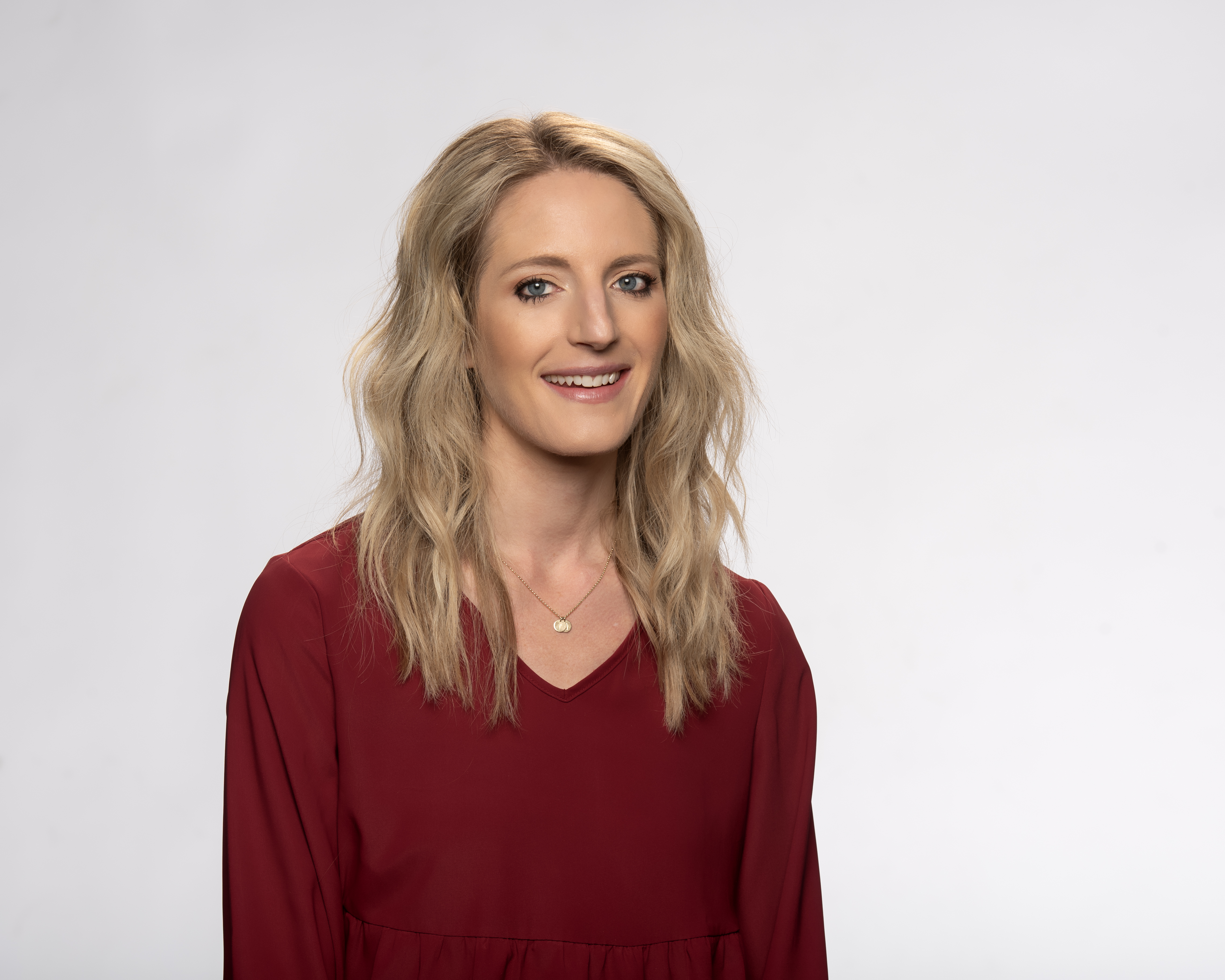
Melissa Rikal, MSN, FNP-BC, AOCNP®
SCRI Oncology Partners

Heather Moore, CPP, PharmD
Duke Cancer Institute
Transcript
Dr. Erika Hamilton: Welcome to Shared Decisions, Better Outcome: Collaboration in Managing Targeted Therapy for Hormone Receptor-Positive/HER2-Negative Breast Cancer, a JADPRO Virtual Roundtable. I'm Dr. Erika Hamilton, Chief Development Officer, Late Phase and Director of the Breast Cancer Research Program at Sarah Cannon Research Institute in Nashville, Tennessee. I'm joined by two fantastic colleagues today, and I'll allow them to introduce themselves. Melissa, why don't you go first?
Melissa Rikal: Hi, I’m Melissa Rikal. I'm a nurse practitioner at Sarah Cannon Research Institute in Nashville. I primarily see breast and gynecologic cancer patients here in our research program, and I've been here for 12 years now.
Dr. Erika Hamilton: Fantastic. And Heather?
Heather Moore: Hi, my name is Heather Moore. I'm a clinical oncology pharmacist in breast oncology at the Duke Cancer Institute, where I've been for about 8 years now in breast oncology.
Dr. Erika Hamilton: Thanks to both of you for joining me today. This is our final part of a three-part series on team-based care in breast cancer. Heather is going to present this third case, which will focus on adverse event management and longitudinal care strategies to keep patients on effective therapy. So go ahead, Heather.
Heather Moore: Thank you so much. All right, so this is our third case, and some of this may reiterate some of the things that we've talked about in the prior two cases, but I'm hoping to escalate that one further step here. So we'll go with Ms. TK, a 67-year-old female with de novo hormone receptor positive, HER2-negative metastatic breast cancer. She recently progressed on letrozole in combination with ribociclib. She had previously tolerated this very well. She was on this for two and a half years. At progression, her team did next-generation sequencing, which did demonstrate a PIK3CA mutation. I think some pertinent things about her that are helpful: her past medical history, she does have a history of type 2 diabetes. However, this is diet-controlled. Her most recent A1C was 6.5. She has a BMI of 28, and then her recent fasting blood glucose was 122.
Of note, she also does have chronic kidney disease. Her most recent EGFR was 48. She also reports having GERD and a prior history of eczema, though this is fairly controlled and really just occasional. For the most part, aside from her breast cancer therapy, her medications are fairly limited. She's on omeprazole, calcium, vitamin D, and gabapentin.
All right, so going straight into some of our questions and next steps. Given that she has a PIK3CA mutation on her next-gen sequencing, her breast oncology team discussed next-line therapy options with her to include fulvestrant in combination with capivasertib. So the 400 mg twice daily, 4 days on, 3 days off of a 28-day cycle, which is appropriate. Based on the toxicity profile associated with what we know with capivasertib and considering her current comorbidities, are there mitigation strategies that you would want to discuss with her? Erika, any thoughts on that?
Dr. Erika Hamilton: Yes, absolutely. We know we can see a couple different side effects with this class of drugs. We certainly can see hyperglycemia. We can see diarrhea and GI toxicities, and we can also see rash. So she has a couple baseline factors that raise my interest here. Her diabetes, her A1C is 6.5, so we need to keep in mind her blood sugars. And then also her history of eczema. Certainly rash can be a prominent side effect of capivasertib, but we do know that some of the non-sedating antihistamines can make us a little bit more successful if we use those in a prophylactic fashion.
Heather Moore: Perfect. Completely agree. Melissa, anything that you would want to add?
Melissa Rikal: I think she's probably already doing some of these things, but knowing she has baseline eczema, I would definitely be worried she's a patient that would be more at risk for rash. So, talking through, utilizing good moisturizers like emollient creams, sunscreen when she's outside, avoiding things that might be drying or irritating to her skin like salicylic acid topicals is always to coddle her skin a little bit going into this. And then I think just with her having that pre-diabetes profile, she might be a case where we would consider using prophylactic metformin going into this, maybe trying just a lower dose of that, just knowing it can heighten the risk of diarrhea, but it may be something of consideration. Or at the very least, getting her in with an endocrinologist or a nutritionist to talk through lifestyle diet changes, how are ways that we can improve the glucose moving into this treatment?
Heather Moore: I would completely agree with you both. I think the big factors that I think about with this case are rash and hyperglycemia. I think from a hyperglycemia piece, she certainly would meet criteria for a prophylaxis. I think something to consider here is that she does have CKD. And when we think about metformin, we do have to be mindful of EGFR cutoffs. I think also important to note is that metformin is an OCT2 substrate for which capi is an inhibitor. So sometimes you can see drug accumulation, you sometimes can see elevation in a serum creatinine. And then being mindful of sometimes a diarrhea piece too that can also, in the setting of dehydration, elevate serum creatinine. So based off of her EGFR, she still meets criteria for metformin. I would initiate with an extended release formulation because of the concern for diarrhea. So, starting with 500 mg daily, but I think we can extrapolate from the METALLICA data, from other retrospective data, and based off of the initial Hopkins et al data that we would see some benefit here by starting a metformin prophylaxis.
So that's something that I would certainly think about. I think the other piece, and I think, Melissa, you alluded to this would be thinking about dietary factors. So we refer all of our patients in these classes of agents to our dietician to kind of reinforce, even though they're not diabetic, the concept of more of a diabetic diet and trying to reduce the amount of glucose that's coming in. And then also for patients that have the capacity and are eligible, thinking about implementing exercise, which sometimes can be helpful to even thinking about gentle exercise, that sometimes can be helpful there.
And then for the rash piece, completely agree in terms of thinking about an H1 blocker. I tend to have a preference for cetirizine. So, I would start cetirizine 10 mg daily for her. When we compare cetirizine to fexofenadine or loratadine, we know that cetirizine tends to work a little bit better for cutaneous fractions that are histamine-mediated. So, I'd favor starting with cetirizine and extrapolating from what we know from other trials that sometimes this can be helpful in terms of reducing severity or onset of rash. So, I agree with both of you in terms of your strategies there.
All right. So, with this patient, TK initiates cetirizine 10 mg daily and metformin extended release 500 mg daily 1 week prior to capivasertib start. She checks her fasting blood glucose on cycle 1 day 4 and does report an elevated blood sugar of 182. Thinking about how we know how to manage these agents, how would you best manage her drug-induced hyperglycemia at this point? And kind of further building upon that, would you consider this a requirement for a capivasertib hold or dose reduction at this time? Erika, what would you do in this situation?
Dr. Erika Hamilton: Yes, I think this is a fantastic question. Typically, in our clinic, we kind of manage metformin, etc., on our own without involving our other colleagues like endocrinology. But considering I trained many moons ago before some of the newer agents were around, once we kind of escalate above metformin, I do typically get my endocrinology colleagues to help us. There are new drugs like SGLT2 inhibitors in particular that can be really helpful here. We tend to really not use insulin and so a lot of times these patients end up going on another oral agent really to help. And so this is a patient that I would send to endocrinology.
Heather Moore: Okay. Melissa, any extra thoughts?
Melissa Rikal: I agree endocrinology would be helpful here. I think I would feel comfortable starting a low-dose SGLT2 inhibitor while they're waiting on that endocrinology consult and then getting their thoughts going forward. I don't think you necessarily need to hold at this point, particularly if you are starting something new, but certainly if this is somebody that has refractory hyperglycemia going on, especially if she's on two anti-diabetic agents, that would be when we would consider holding and then potentially dose reducing. But I think at this level we could consider staying on, but just adding an additional antidiabetic and getting that endocrinology opinion moving forward.
Heather Moore: Yes, I think you both brought up great points. And I think one was when you think about strategy, we think about antihyperglycemics. So one, we would want to focus on ensuring that we're using insulin sensitizers, drugs that are going to make patients own insulin more receptive vs starting insulin secretors, which could potentially reactivate this pathway and counteract the mechanism of our therapy. So great points there.
And I'm so glad that you both brought up SGLT2 inhibition because we are having more data in that space. When you think about the Hopkins et al data from many, many years ago, they actually looked at diet vs metformin vs SGLT2 inhibition in rat models and found that actually SGLT2 inhibitors work better. But in terms of access, sometimes that can be a little more challenging. There's more ongoing data looking at prophylaxis with SGLT2 inhibition for drugs in this class for patients that are high risk, and so are pre-diabetic patient population.
And I think the nice part about it too is that SGLT2 inhibitors have a much faster onset vs when you think about metformin. And I think it's really helpful when you're thinking about hyperglycemia management with these agents, that you think about half-life, time to onset, when you would expect this to work. I think with capivasertib, it is convenient that you have the 4 on, 3 off. So sometimes you have some flexibility there too, that patients may be going into their off days anyway. I think for this particular patient, again, thinking about the serum creatinine and the EGFR component, I would think about how is she doing in terms of diarrhea, how is she tolerating? Do you have any other concerns from a CKD perspective? Would it be very reasonable to either add on an SGLT2 inhibitor, or you could consider increasing her metformin, but in the setting of her CKD and with that particular drug interaction, I would be somewhat mindful that you might see that increase.
I think in terms of dose hold and dose reduction, I think it's really important to understand the degree of hyperglycemia. So thinking about our initial CTCAE 4.03 guidelines, this is a Grade 2, but just barely into that Grade 2 area. So we think about Grade 1 as being less than 160. Over 160 is when we think about moving into that Grade 2. So just barely over that threshold. And I would completely agree that I'd probably feel comfortable with continuing knowing that I would add on an SGLT2 inhibitor where you're going to see benefit pretty rapidly. So usually within 2-3 days, whereas if you're waiting for metformin effect, you're going to be waiting for at least a week before you would be doing that. But I think again, going back to which agents that we have the most data with, it's generally going to be metformin, SGLT2 inhibitors, and then TZDs that are also going to be our insulin sensitizers vs insulin secretors. So, I completely agree with your strategies there.
All right. TK initiates dapagliflozin 5 mg. She continues on her metformin extended release 500 mg daily. She repeats her fasting blood glucose on day 7. Her blood sugar has improved to 94. She continues with her next dose of capivasertib on day 8 at 400 mg. She checks her fasting blood sugars and all of these values have remained controlled at less than 100. Right in the middle of her cycle, about day 14, she messages in that she has developed a rash. She attaches pictures demonstrating a rash on her chest, her forearm, as well as her upper back. So my question to you both, because I know we often see this in clinic, what is the best way to manage her drug-induced rash? Melissa, any thoughts?
Melissa Rikal: It sounds like it's still probably a lower grade rash. I would consider adding a topical corticosteroid for her to use 3-4 times a day and give that a week or 2 to see if there's improvement. Occasionally we use topical Benadryl as well. She's already on an oral antihistamine. I know I have had some patients that just had that pruritic lack of sleep at night because they're itching so bad. So considering Benadryl at night or diphenhydramine at night would be a helpful management strategy as well. I would probably either have a telemedicine consult with her set up for 1 week or bring her back in a week and reevaluate. If that rash is escalating, we may need to consider holding her capivasertib briefly. And then sometimes we have to initiate oral corticosteroids or a higher potency topical corticosteroid if it's not improving.
Heather Moore: Awesome. Erika, anything to add?
Dr. Erika Hamilton: I completely agree. I think the diphenhydramine, once somebody has a rash, adding that at night, when it doesn't matter if you're a little bit sedated can be quite helpful. And I also kind of tend to use an early hold. I'd be really worried about having to start systemic steroids because that's going to drive up her blood sugars. So I'd rather hold the drug for a day or 2 until we got this rash under control than continue to dose through it as well.
Heather Moore: Yeah, I completely agree with you both. So the way that I explain this to patients, because often we are relying on pictures that they're sending in, is the palm method, which I think is really helpful to explain to patients that thinking about their palm as being 1% of their body surface area. And really when patients are experiencing rash, as you've kind of both alluded to, it's really helpful to quantify in terms of the percentage of body surface area, because that does guide us in terms of are we holding? What are our strategies? Can we do topicals vs systemic steroids? For patients that are falling into that Grade 1, so less than 10% of body surface area, we can continue on and manage with a topical steroid, tends to be very manageable. Once we get into that Grade 2, so 10-30% of body surface area holding drug, I think you both mentioned adding in additional antihistamines, which can be helpful.
I think sometimes in this instance, increasing their cetirizine, so adding on 10 mg twice a day. It can also be helpful to add in H2 blockers, which help to block a different type of histamine. So we often could consider adding in like famotidine 20 mg twice a day in this instance. Diphenhydramine at bedtime or sometimes hydroxyzine at bedtime can also be helpful. I think Erika, you mentioned a great point in terms of once you're into that Grade 3 space, so greater than 30% of the body surface area, initiating topical steroids, and especially in a patient like this, it really is you want to be mindful or cognizant of the high risk of hyperglycemia and noting that you really don't want to superimpose a steroid-induced hyperglycemia on a capi-induced hyperglycemia, and that can be really challenging.
So I’m agreeing in terms of holding therapy and really trying to use the shortest course of steroids that's going to be most efficacious typically in this space. I would consider doing a Medrol Dose Pack for a short duration of time. It also has a shorter half-life in terms of coming off, but also making sure that patients have completed their steroids, that you have a washout period afterward before you're restarting capi to ensure that you're not having that increased risk of hyperglycemia and just being mindful of that. But otherwise, yes, I completely agree with you both in this space.
All right, so key clinical takeaways. I think that what we focused on quite a bit here was mitigation in this space. I find that mitigation is really key for toxicity management. If you can identify patients that have high-risk features, kind of like we talked about with an A1C or in some instances, elevated BMI, fasting blood glucose, also consideration of age. Prior to starting these agents, then often we can help to mitigate a lot of the toxicity that we may see with them. Additionally, prophylaxis with antihyperglycemics for those patients as well as H1 blockers can be very helpful to prevent both rash and hyperglycemia.
And then if patients experience hyperglycemia, really being mindful in terms of which types of drugs that we're using, so we know that we have good data and from a mechanistic standpoint, makes sense to use metformin, SGLT2 inhibitors, and TZDs. You do also want to take into consideration the time to effect in terms of onset. So I start metformin a week prior to patients starting these agents so that you actually have the drug on board. Otherwise, the half-lives are competing for each other and you're not going to get to steady state and it's really not as helpful. So being mindful of time to consideration for both prophylaxis as well as management. And then just thinking of where you are in a treatment cycle with capi, in this instance for a dose hold, and the need for a reduction potentially later.
And then more so for rash management, again, going back to the space around grade, being mindful of body surface area, how we're quantifying that, and the need for a hold or a dose reduction. For low grade rash, those are often managed with topical steroids alone, sometimes we can modify histamine agents that can be helpful. And then for higher grade, that's when you may need to think about adding in oral steroids, but again, being cognizant and remembering the hyperglycemia risk with these agents.
Dr. Erika Hamilton: Thank you, Heather, for a great presentation. This brings us to the end of this case. Please see our other two videos for further discussion about the latest research in breast cancer at JADPRO.com.