

Navigating FLT3-ITD+ AML: Practical Strategies for Treatment Integration, Monitoring, and Long-Term Management
Part 2: Monitoring and Safety in FLT3 Inhibitor Therapy
In this video, Kelly Weaver, DNP, NP-C, Angela Nichols, MSN, RN, AGNP-BC, and Katie Sellers, MPAS, PA-C, discuss safety profiles, boxed warnings, and monitoring strategies for FLT3 inhibitors in acute myeloid leukemia. Their conversation highlights QTc management, differentiation syndrome, Risk Evaluation and Mitigation Strategy compliance, EKG protocols, and interprofessional clinical collaboration.
Chair

Kelly Weaver, DNP, ARNP, ACNS-BC, NP-C, OCN, AOCNP
Atrium Health Levine Cancer Institute
Faculty
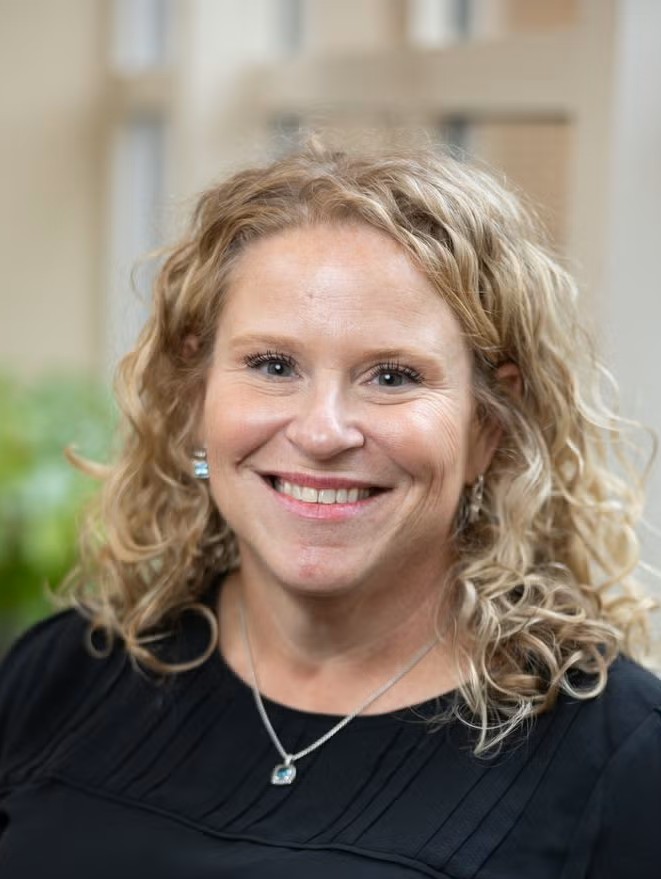
Angela Nichols, MSN, RN, AGNP-BC
UNC Health

Katie Sellers, MPAS, PA-C
Texas Oncology
Transcript
Kelly Weaver:
Hi there, and welcome to this Virtual Roundtable on navigating FLT3-ITD-positive acute myeloid leukemia. My name is Kelly Weaver. I'm a nurse practitioner with Levine Cancer Institute in Charlotte, North Carolina. Joining me for our discussion today are Angie Nichols and Katie Sellers.
Kelly Weaver:
Angie, would you like to introduce yourself?
Angela Nichols:
Sure. My name is Angie Nichols. I'm a research nurse practitioner at University of North Carolina. I work with the heme malignancy clinical trial patients, so I see just our patients that are on clinical trials in our leukemia pod.
Kelly Weaver:
Love it. And Katie, can you introduce yourself, please?
Katie Sellers:
Yes, I'm Katie Sellers. I'm a physician assistant with Texas Oncology-Medical City Dallas in Dallas, Texas. I work in heme malignancy, and then transplant and cellular therapy.
Kelly Weaver:
Fantastic. Thank you both so much for joining me today. We're talking about FLT3-positive AML, and we're going to talk a little bit about safety and monitoring for this session. So, Angie, do you want to get us started with our discussion?
Angela Nichols:
Yes, so I'm just going to talk about some of the boxed warnings that are on our three different approved FLT3 inhibitors. Midostaurin doesn't have a boxed warning from the FDA. The only label warnings include the pulmonary toxicity and the embryo-fetal toxicity. Quizartinib has a black box warning for QT prolongation and torsades, and gilteritinib has a warning for differentiation syndrome. So ladies, what are your experiences using these agents and what you see?
Kelly Weaver:
I can go ahead and get started. With gilteritinib and differentiation syndrome, I know that it has the boxed warning. I feel like we see this less in gilt than we do for some of our other targeted AML agents, like olutasidenib or enasidenib, for our ITDs.
Katie Sellers:
Yes, I think the risk is only like 3–5%. I think it's pretty low, and I think, in our world of heme malignancy, we're pretty good at watching for it, watching for those signs and symptoms, the sudden weight gain, the edema, the dyspnea, the cough. So I think we're pretty attuned to watching for it, but I agree. I don't see it, necessarily, translate into what if the experience of seeing patients with it. And then I think for the QT, the prolongation when we're talking about quizartinib, I feel like we're all monitoring QTs because we're on so many concurrent medications.
Angela Nichols:
So many.
Katie Sellers:
So I feel like that's like bread and butter these days. Everybody's getting EKGs. I feel like we should just have an MA that does EKGs because we're on so many concomitant medications that we have to watch it for. So it doesn't really fall outside of our comfort zone because a lot of medications we have to watch this for.
Angela Nichols:
And anecdotally, I will say, with the differentiation syndrome with gilteritinib, I can't say that I've seen, I have a lot of experience with the menin, well, I think we all have a lot of experience with the different agents that can cause differentiation syndrome. I've seen it more with your IDH inhibitors than I have with gilteritinib. And of course, the menin inhibitors are certainly the highest of the three group. I think, as we start doing more combinations of IDH inhibitors and gilteritinib or gilteritinib and a menin inhibitor, teasing out which agent could be potentially causing the differentiation syndrome gets a little challenging, but we treat it all the same. So I don't know that it really matters what agent it is, but anyway.
Kelly Weaver:
Right. I think when the risk is there, again, we work in the myeloid space. We've been treating AML for a million years. We know what differentiation syndrome looks like, and we're pretty quick to pull the switch on giving them some dexamethasone and then figuring it out.
Angela Nichols:
And I'm curious if y'all have had, we know that there's label warnings for pulmonary toxicity with midostaurin. I have not ever experienced this. Have you, in your practice, ever experienced it?
Kelly Weaver:
I have not.
Katie Sellers:
Nor have I.
Angela Nichols:
I was doing a little bit, I was reading back through the paper of the frontline study of midostaurin for the phase I trials, and there was some pulmonary toxicities listed in that, but these were, again, relapsed/refractory AML patients. So I'm wondering, was it really the midostaurin or was it disease state? So anyway, just it's there. It's listed, but I have not had-
Kelly Weaver:
It's there. I think, in one of the trials, they had two patient deaths related to pulmonary toxicity. But again, if this is a pretreated population with acute myeloid leukemia and-
Angela Nichols:
Relapsed/refractory.
Kelly Weaver:
Right. In relapsed/refractory, you're going to do a CT scan, and you're going to see a mess in the lungs. And whether that's from pulmonary toxicity from the drug or whether that's from being compounded by, do they have some kind of underlying fungal pneumonia too? Then it becomes the perfect storm of holy smokes.
Angela Nichols:
Right. And I can tell you, when you work on these clinical trials and these phase I clinical trials, it really is you have to be really cognizant of what you're calling, "This is attributed to the drug, this is attributed to the AML." So anyway.
Kelly Weaver:
I'm sure you get a lot of emails from the research nurse, and in baskets, that are like, "Do we associate this with the drug, and is this an expected outcome, or is this reportable?"
Angela Nichols:
Yes. So another, I'm going to flip back to quizartinib, though. We do know that the black box warning is for QT prolongation and torsades, and you do not start quizartinib if that QTc is greater than 450. And quizartinib does have more drug-to-drug interactions than in gilteritinib and midostaurin because of the CYP3A metabolism. Are we all consistent with using QTcF when we're monitoring QTc? Is that pretty across the board? The Fridericia?
Kelly Weaver:
I don't know. Katie, what are you guys doing with your QTs?
Katie Sellers:
Not always. It depends on if the EKG has been done in our clinic or at the hospital.
Angela Nichols:
Okay.
Katie Sellers:
I mean, if the patient is inpatient. But yes, that is the standard, but oftentimes, if we're just doing one quickly in the bedside in the clinic, we might not be able to access that QTcF.
Angela Nichols:
Oh, okay. I have a calculator on my phone where I can calculate it off the bedside EKG.
Katie Sellers:
Oh, okay, so you're doing your self-calculation.
Angela Nichols:
Yes.
Katie Sellers:
We can self-calculate. Our machine does not calculate for us.
Angela Nichols:
No, no. My machine calculates for me too, but I'll be honest with you, our machine doesn't automatically do the QTcF.
Katie Sellers:
Okay.
Angela Nichols:
We are pretty regimented that we only use the Fridericia. We don't use the Bazett or Framingham or whatever. I was just asking you if that was the-
Katie Sellers:
Yes, I am aware of the calculator. Our machine just doesn't do it for us in the clinic.
Angela Nichols:
Right. I gotcha. Gotcha.
Kelly Weaver:
Ours is the same. We get the Bazett, and I'm like, "Okay, let me sit here and pull up the calculator and put in the-"
Angela Nichols:
And honestly, for all my study coordinators, I have shown them the calculator because I'm like, "I'm not going to calculate all this. I need you to do this."
Katie Sellers:
Oh, nice. Delegate.
Angela Nichols:
Talking about QTc, what are some things, though, that we can do to, if we have a patient that we're wanting to start this on, that's maybe in acute leukemia in the hospital, and their QTcF is reading greater than 450, but we want to start quizartinib on. What are some things that we can do to mitigate that QTC prolongation?
Katie Sellers:
I think getting our cardiology partners involved early, especially if they're inpatient, which makes access a lot easier, making sure we have that baseline echo, making sure that they're aware of what we're trying to start. And then I think tapping into our pharmacists to make sure that concomitant medications are being maximized for what the coverage of the patient needs. But if we could maybe use a different antifungal or a different antibiotic if they're on prophylactic levofloxacin or something like that, and then maybe not use as much ondansetron and trying to use some other medications. So really maximizing utilization of our pharmacist to make sure that we're aware, and then using our cardiology partners to help us with monitoring.
Angela Nichols:
Yes. And I think, too, for us, we will also keep their electrolytes pretty stable.
Kelly Weaver:
I was going to say that. I absolutely agree. Getting their mag up to 2.0 and trying to keep it as close to that or maybe even a little bit above to try to stave off, and the potassium too. Really aggressively monitoring electrolytes in these patients.
Angela Nichols:
For the quizartinib, we know that they have the REMS. You have to be REMS-certified. I'm not even exactly sure what REMS stands for, but it's like their safety thing. Who gets REMS-certified at y'all's institution? Who's able to, because you have to be REMS-certified to prescribe quizartinib. Who gets that certification where you guys are?
Kelly Weaver:
So I can speak for Levine. The eight leukemia service physicians that cover our inpatient leukemia service and outpatient, they all had REMS. So when the drug was approved and they approved with the REMS, I went door to door and was like, "Let's make sure we're getting all of our REMS." So it's all of them plus me in the clinic, in the leukemia clinic.
Angela Nichols:
And you're the only APP in the clinic, right?
Kelly Weaver:
In the clinic, correct.
Angela Nichols:
That's crazy.
Katie Sellers:
Wow.
Kelly Weaver:
It's wild.
Angela Nichols:
It is wild. I know it is.
Kelly Weaver:
It's wild. We have a very robust inpatient service, and they are incredibly helpful in taking care of our patients.
Angela Nichols:
What about you, Katie?
Katie Sellers:
Yes, at our center, so the physicians, I also had to go door to door and remind everybody that they had to be in with. But we also, as the APPs, are REM-certified. So there's been a time or two that the physician is not, and so the APPs will assist in making sure that we check all the boxes to meet the REMS criteria. But because oftentimes those patients are transitioning between in and outpatient, we need our physician partners to be REM-certified. I'm pretty sure our inpatient APPs, which is, I think, 10 or 12 strong, typically are also REM-certified, but on the outpatient side, our physicians and then the APPs are all REM-certified.
Angela Nichols:
Yes. And we have a robust CPP group pharmacist with us as well, clinical pharmacist providers. They're not just a PharmD, but they've taken that extra year of residency, and so they're actual pharmacy providers as well. They're all REM-certified as well, and we rely heavily on them. I mean, a lot of times when we start patients like on gilteritinib if we were doing single agent in relapsed/refractory, or even with quizartinib, when they're in consolidation and we move to maintenance, if we're doing maintenance with quizartinib, we alternate between ourselves, the APPs, and the pharmacist to do the monitoring and everything. So we share that responsibility in the outpatient setting with our pharmacy team.
Katie Sellers:
Can I have one of them? I want one of those.
Angela Nichols:
Right. They're awesome.
Kelly Weaver:
What a great layer to have.
Angela Nichols:
If I didn't have my pharmacist, I probably would lose my mind. Not going to lie. Yes.
Kelly Weaver:
We have pharmacists embedded in our clinic, and they're incredibly helpful. In fact, yesterday, when I was prepping for this, I was like, "Well, what does it look like inpatient when the team is initiating the quizartinib sig?" And there's actually a reminder in the sig in the EMR that says, "Requires REM certification, and I agree that I am REMS-appropriate to prescribe this medication." We don't actually have that built into the outpatient sig for the drug, though, which I found interesting.
Angela Nichols:
Oh, we don't either, but that's interesting. I should ask the inpatient team what it looks like.
Kelly Weaver:
Yes. Because I'm only outpatient, I had no idea until yesterday when I was chatting with our PharmD, and she was like, "Yes, it's right there."
Angela Nichols:
So how do y'all monitor your EKGs with quizartinib? How is it done? I guess we're all outpatient, so maybe we should just stick with outpatient. How do you do it outpatient?
Katie Sellers:
Yes, so the patients aren't even usually started on it if they were inpatient. So meeting the criteria of at initiation and then weekly, and oftentimes, at that point, they've done their induction and they're consolidating outpatient, they're transitioning outpatient. So we'll get them weekly.
Katie Sellers:
And then periodically thereafter is where it's a little bit more loosey-goosey, but it depends on the patient. And if they've had any QTcF over that 450, we might be a little bit more closely monitoring, but every 2 weeks or so, at least, when the patient's cruising on the treatment is typically our protocol. I'm not going to say we're perfect at that. So I would hope maybe you all will have a better operational, maybe you have a better process for that in your clinics. But I would say once they're on it, once they're on a maintenance, obviously for the first month we're getting it weekly, and then maybe every 2 weeks, and then once they're cruising, we might space it out even further.
Angela Nichols:
What about you, Kelly?
Kelly Weaver:
I think the weekly is really easy to capture because we know what weekly is, and periodically is a little bit more different. I think a little bit more different. I think Katie hits the nail on the head that you have to have flexibility-adapt the patient on how frequently they're getting the EKGs. We have a gentleman who's now on quizartinib maintenance post-induction, and he's going to be on maintenance for 3 years. He comes in every 2 to 3 months, and we're just getting an EKG with that visit.
And that's the other piece we have to be a little bit savvy. The nurses in our clinic are very good at doing appointment notes and including the need for EKG and that they're on quizartinib. So when the patient's being roomed, our MA can grab the EKG in real time.
Angela Nichols:
Yes. You know what's been challenging for us? I think we all are probably doing it the same way. If we're in consolidation, we do it weekly for those 2 weeks that they're on the quizartinib. And then in maintenance, when we start it, we do it weekly for that first month, and then we try and do it monthly when they're on maintenance. We have great nurse navigators that work with our community practices, too. So if the patients aren't coming to UNC to get a lab check each month, then, and they're going locally, she will reach out to them and ask them to do EKGs locally. And I feel like we've gotten pretty good with that.
Angela Nichols:
I'll tell you our challenge though is during consolidation, because we're not seeing the patients in clinic. A lot of times they're going to the infusion center, and they can do our EKGs in the infusion center. All the nurses and the CMAs have been trained up there. And so we'll put in there, like, "Lab check with an EKG," and for whatever reason, it gets missed all the time.
Kelly Weaver:
Oh, that's a good point.
Angela Nichols:
Because we're not seeing them in clinic. When we see the patients or when we're told, anyway, I think that's just been, so we've kind of had to play around, like, "Do we put it in the treatment plan? Do we put it in the appointment notes? Where do we put it? How do we alert that the nursing staff in a completely separate area of the hospital needs to get a weekly EKG?" But anyway.
Katie Sellers:
I like the treatment notes. I mean, I might need to get my team on that.
Angela Nichols:
The appointment notes are great when people look at them. Yes.
Kelly Weaver:
When they look at them. And I think you brought up something that we're going to get into another one of our videos regarding, how do we take care of these patients when we're not the only partner caring for the patient?
Angela Nichols:
Right.
Kelly Weaver:
Any other thoughts before I close out this video?
Angela Nichols:
I think just with the REMS and the quizartinib, if they do have the elevated QTc when they're taking quizartinib, the package insert has very good guidance about dose-reducing the pills and how to dose-reduce. And it has not been uncommon, at least in my experience, that we are dose-reducing some patients because they do have some QTc prolongation. Even after we've supplemented the potassium and the magnesium, sometimes it's still there, and just-reducing the dose really does correct it. I think the package insert has been great. We refer back to it all the time.
Kelly Weaver:
I think it's one of the top 10 package inserts that I look at and pull up in my clinic on the day-to-day.
Angela Nichols:
What about you, Katie? Anything else?
Katie Sellers:
Yes, agreed. Sorry about that. So agreed. Yes. I mean, we're referencing it frequently. So if we have somebody that's borderline, we're always looking at dose reduction. And once we've maximized all the other meds and electrolytes, "Okay, where do we go from here?" And I will pull it up in the room with the patient, and they're like, "Oh, well, what does my EKG say?" And I'll say, "Okay, well, if we need to, we'll follow this." I do. I appreciate that in that PI, they really outline it nicely, and they make it easy for us to follow. So I agree, having that at our fingertips really helps with when we're sitting in front of the patient having to make treatment decisions on modifying doses. And I agree on when we are having to do it.
Angela Nichols:
It's funny that you say it's the most frequent one that you use, Katie, because I agree. We keep it printed out in our workroom for us to refer back to. I keep it printed out so that I can see, "Okay, what am I doing now?"
Kelly Weaver:
There has to be some prize awarded for this.
Angela Nichols:
But again, this is where our clinical pharmacist providers really come in to help us, and they are awesome. I will say we have a great pharmacy support group. I think that was, is there anything I'm missing, ladies? Oh. I guess the patients also get a wallet card that says that they're taking this.
Angela Nichols:
Oh, I know what I was going to ask you. I'm curious about your azole use. Because I think it's different all over the country, is what I'm learning. So do y'all do prophylactic azoles once you've achieved remission? Katie, I'm going to direct that to you.
Katie Sellers:
It depends on the patient's baseline cell counts. Yes, but if these are heavily pretreated patients, they may not have a robust bone marrow, so it depends on where their baseline ANC is running. Sometimes yes, sometimes no. We see a lot of variability there.
Katie Sellers:
So standard, we used to give everybody an azole, but now, with all of our inhibitors that have the QTc considerations, we've deescalated that standard, so evolving. I don't know if I can give you a firm answer on it because it evolves, and it depends on the patient. What about you, Kelly?
Kelly Weaver:
I think we're doing azoles for everybody upfront with induction and ANC dependent on the backend for maintenance, we're dropping the azoles so we can maximize the dose. I do feel like we have the patients that don't have the bone marrow reserve, and that ANC is looking a little squiffy just from the quizartinib maintenance, but if we don't need it, we're not using it. Definitely for induction, but dropping it in maintenance. So we do have to do the dose reduction.
Kelly Weaver:
Okay, thank you for leading us in that discussion, Angie. Katie and Angie, this has been a very robust discussion on safety and monitoring for FLT3-ITD-mutated AML. Please see our other two videos on this topic, and thank you for the conversation.